
Water Update: Tuesday, September 8, 2026
Following the rainfall over the weekend, the James River Dam is now spilling, and Voluntary Water Conservation Measures have been lifted.
We would like to sincerely thank everyone for their cooperation and efforts to reduce water consumption while the measures were in place. Your support helped protect our water supply. We appreciate everyone's commitment to water conservation and thank you for doing your part to support our community.
Water Conservation Measures
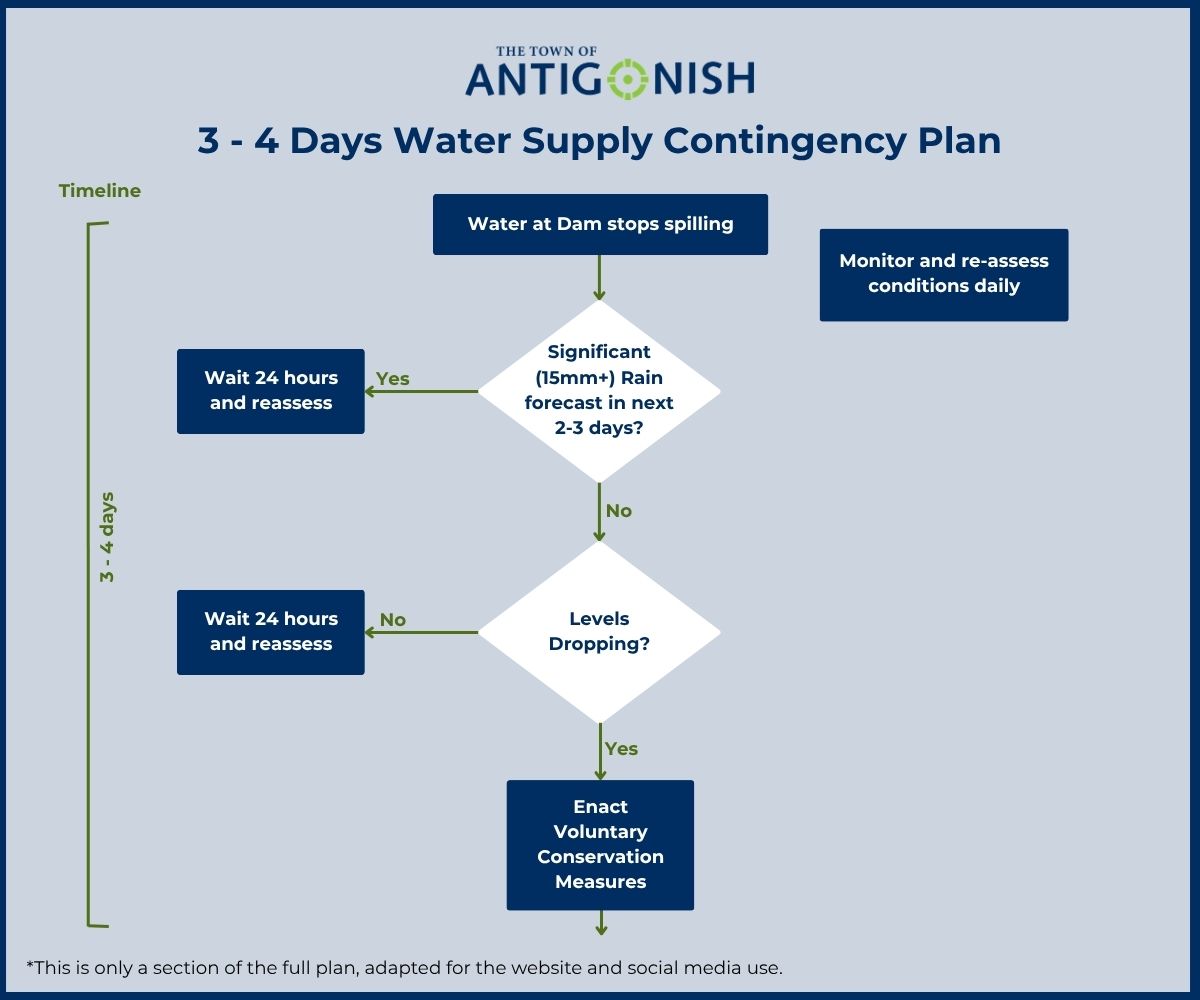
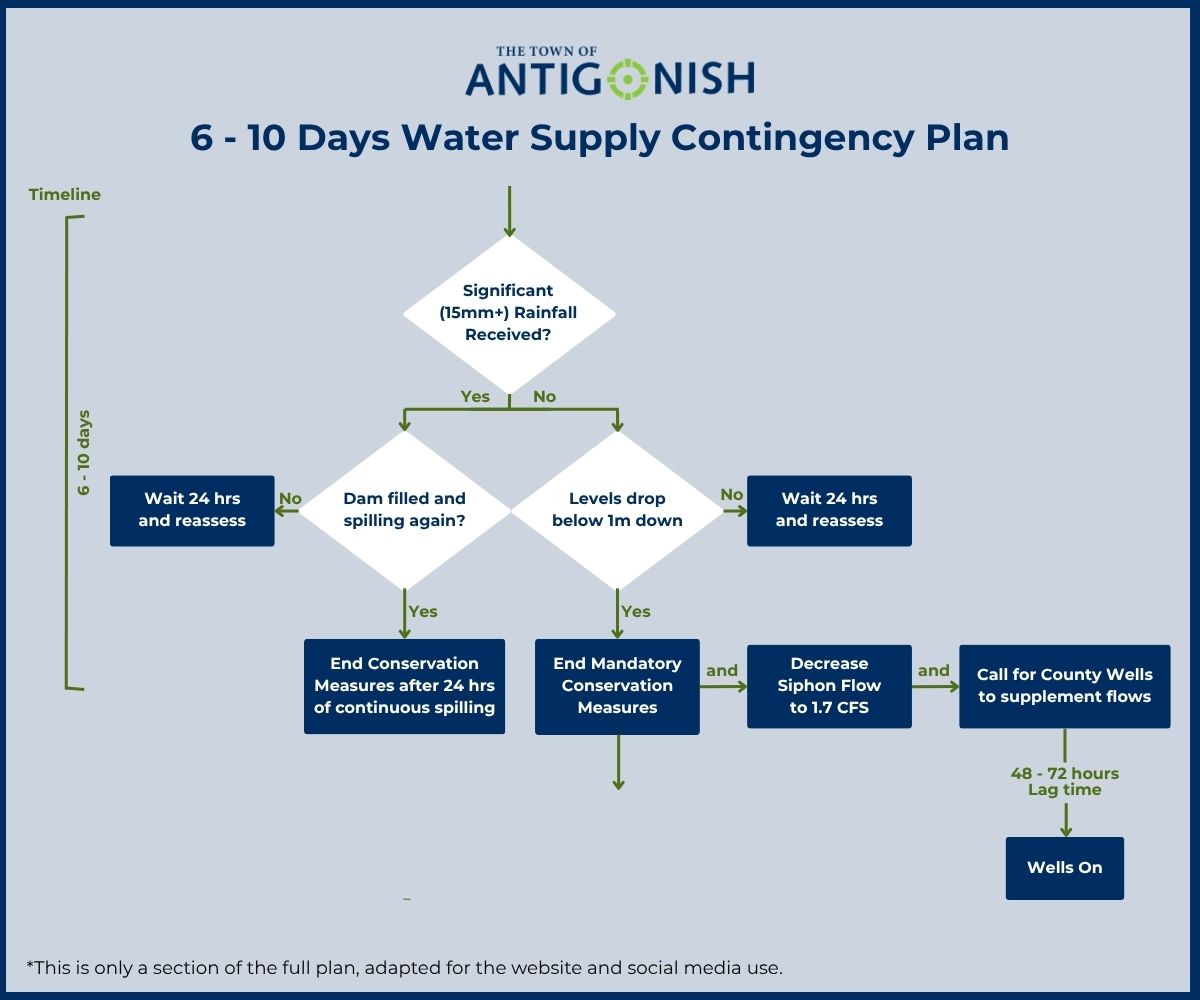
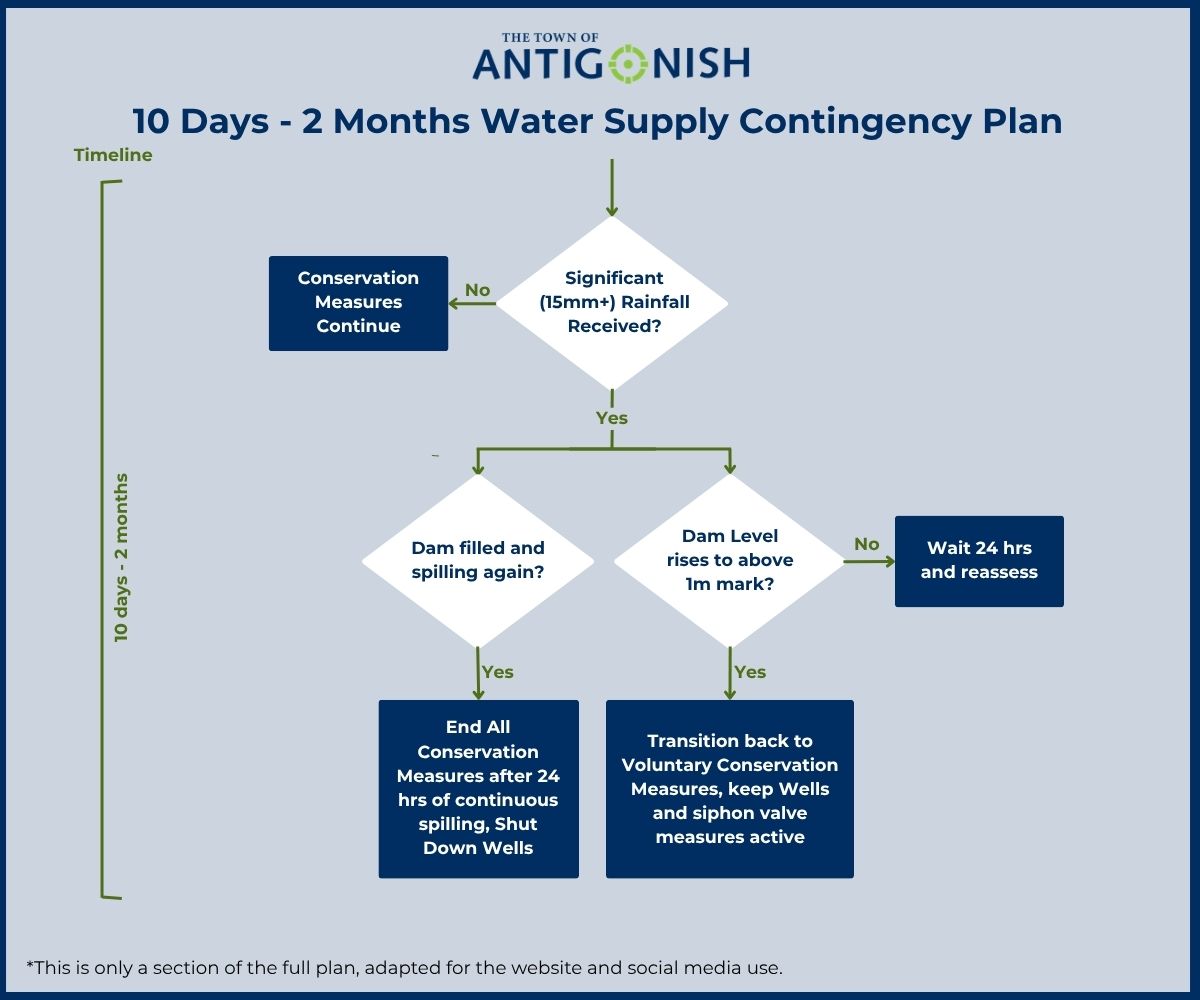
During dry summers, water conservation measures can be put into place if the water level drops to 1m below the top of the dam.
We have two levels of conservation measures; volunatary and mandatory.
Voluntary Water Conservation Measures
When under Voluntary Water Conservation Measures, residents are encouraged to use water wisely where possible. This means limiting unnecessary activities like filling pools, washing vehicles, watering lawns, etc.
Mandatory Water Conservation Measures
Manadatory Water Conservation Measures means residents and businesses are not permitted to use the Town's water system for washing vehicles, watering lawns, plants and gardens, filling pools, etc. Under this level, car washes are not permitted to operate.
Below is the Water Supply Contingency Plan we follow in the event that water at the dam stops spilling. This plans outlines how/when to issue water conservation meaures.
Water Conservation Tips
When water levels at the dam start to drop and when under Conservation Measures, we will ask water customers to use their water wisely. Small changes by many households can have a meaningful impact on conserving our water supply.
Here are some tips on how to conserve water:
- Don't run the tap to get cold water, keep a pitcher of water in the fridge
- Check your toilet and taps for leaks
- Take shorter showers
- Collect shower/bath water while waiting for it to come to temperature
- Ensure you have a full load before running the dishwasher or washer
- Installing water-saving shower heads can save 30 litres of water every 10 minutes
- Reuse grey water for watering plants and gardens
What is grey water?
Grey water refers to gently used household wastewater. It is water that may contain soap residue, food particles, and minor contaminants, but does not contain harmful sewage or toilet water (human waste). It can be water collected in dehumidifiers or water collected from the bath or shower when waiting for the right temperature. It is a great option for watering plants and gardens.
Rain Barrels
Rain barrels offer a simple, effective way to collect and reuse rainwater—reducing reliance on the Town's water supply, especially during conservation periods.
The Town of Antigonish launched a new Rain Barrel Rebate Pilot Program to help residents reduce outdoor water use and support long‑term water conservation. This initiative was approved as part of the 2026–2027 municipal budget and is designed to make it easier for households to prepare for dry weather periods.
Residents can recived a $50 rebate for the purchase of a new rain barrel. For more information, visit: https://townofantigonish.ca/rain-barrel-rebate-program.html.
Town of Antigonish Water Utility
 The water supply for the Town of Antigonish and surrounding service area is the James River Watershed, which is protected under the James River Watershed Protected Water Area Regulations and encompasses an area of just less than 40 km2 (3915.6 hectares). The watershed has been designated as a Protected Water Area since October 25, 1988, and named as a public drinking water supply for the Town of Antigonish by the Nova Scotia Minister of the Environment. The Town owns 39 % of the watershed area, 59 % is owned by the Crown and 2 % of the area is privately owned.
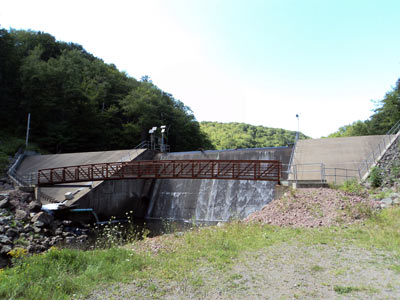
The James River Dam is an earth-filled concrete structure approximately 60 m long with an 18 m long overflow spillway which is 13.5 m high. The impoundment volume is approximately 117 ML.
A new water treatment facility named the Brierly Brook Water Treatment Plant (BBWTP) with a 1.8 MGPD capacity was built and commissioned in 2006 in order to comply with the Municipal Drinking Water Standards. The plant utilizes DAF technology for chemically-assisted clarification and engineered media filtration followed by disinfection to achieve and exceed the required 3-log reduction credits for pathogenic protozoans Giardia and Cryptosporidium as well as 4-log reduction of viruses.
Distribution
The water distribution system includes 14 km of transmission mains, over 32 km of piping, as well as associated hydrants, valves and appurtenances. Piping is generally installed in the Town streets right-of-way and extended to the County fringe areas at eleven locations. Two storage tanks buffer the system against peak demand during the day. The Bethany tank is a 5.5 ML bolted steel tank constructed in 1980 and was cleaned and re-coated in 2000. The Brierly tank is a 3.6 ML gunite tank, constructed in 1980 and was re-coated and structurally strengthened between 2002 and 2003.
Quality Control / Quality Assurance
Water testing is undertaken in accordance with and exceeding NSDOE Water Withdrawal Permit and Permit to Operate requirements.
Routine tests are carried out every weekday at 3 locations around town, including tests for turbidity, chlorine residual and pH. In addition, samples are taken 2 days a week at the 3 distribution locations and at the BBWTP for aluminum residuals and bacteriology testing. Quarterly tests are also done for general chemistry analysis and THMs/HAAs, with the results forwarded to NSDOE.
Water treatment complaints and/or interruptions in water service, such as a water main break, involves additional sampling as required.
.png&routed=1&view=file) Metering/Billing
Metering/Billing
The Town of Antigonish has over 1600 operational water meters, with each meter size being assigned a base charge and rate based on the schedule seen below. Residential water meters are read quarterly, while the larger commercial accounts are read bimonthly.
- pdf Water Rates 2024-2025 (effective April 1, 2024) (314 KB)
- pdf Water Rates 2020-2022(222 KB)
- pdf Water Rates 2017-2019(778 KB)
Backflow Prevention Program
The property owner must also play a role in the protection of the Town’s water system. Customers of the Water Utility are reminded of the need of backflow prevention in their home to reduce the risk of cross-contamination. It is the property owner’s responsibility to install and maintain backflow prevention devices. Backflow prevention devices prevent water from draining from your home in the event of a water break or during other periods of low flow such as hydrant flushing.